
Desk 02-A
Identify the puzzle state before testing answers
A puzzle can look unsolved when the actual problem is sequence. Read the current objective and classify the blockage before touching every object again. If the objective names a person or conversation topic, the next step is probably testimony. If it names a physical object or area, return to the closest available inspection view. If it asks for a conclusion, compare evidence wording before searching the environment. A prompt that has changed since your last visit is stronger evidence than an unchanged decorative detail.
Then record what the game accepts. Does the relevant object open a close inspection view? Does it expose several selectable parts? Does a conversation add a new subject? Does the deduction interface ask you to pair or order facts? These are different mechanisms and need different solution habits. The official store confirms mouse-only, touch-only, full-controller, and no-timed-input support, so speed is not the intended test. Slow, deliberate inspection is valid. At launch this desk publishes only actions supportable by the sealed research record, so it will not turn an evocative screenshot or achievement title into an invented combination.
- Sequence block: the current objective has not advanced because a conversation or inspection remains incomplete.
- Observation block: the correct scene is open, but a selectable detail has not been examined.
- Logic block: all evidence is present, but the relationship, order, or contradiction has not been stated correctly.
- Interface block: the intended evidence is known, but the correct target or interaction mode has not been selected.
Desk 02-B
Use one clue depth at a time
The observation layer tells you where to focus without telling you what conclusion to draw. It should name a scene category, object, statement, or changed prompt that is already available at your point in the case. If that is enough, close the desk and solve the interaction in-game. The directional nudge states the relationship to test—such as comparing access with testimony or revisiting an object after a new statement—without exposing a later event. Only the exact layer should state a final input or sequence, and only when that action has a verified basis.
This separation matters because The Mermaid Mask combines an impossible locked-room murder with tricky puzzles. The pleasure of the case comes from noticing why an apparently fixed situation can be read differently. A single unlabelled answer can reveal the mechanism, the person connected to it, and the story consequence at once. A three-depth protocol preserves the smallest useful intervention. It also makes the walkthrough and puzzle desk cooperate: the walkthrough establishes where you are, while the desk addresses how to clear the present mechanism.
01Observation
Read the objective and revisit the newest room, object close-up, or conversation topic. Look for a changed prompt before testing combinations.
02Directional nudge
Connect the objective’s noun to the newest evidence. If the clue came from testimony, inspect the physical object it describes; if it came from an object, revisit the person who discussed it.
03Exact solution
Reveal a final action only for the current verified obstacle. Do not use a screenshot, achievement title, or suspect reveal as proof of an input sequence.
Desk 02-C
Solve inspection puzzles from the outside inward
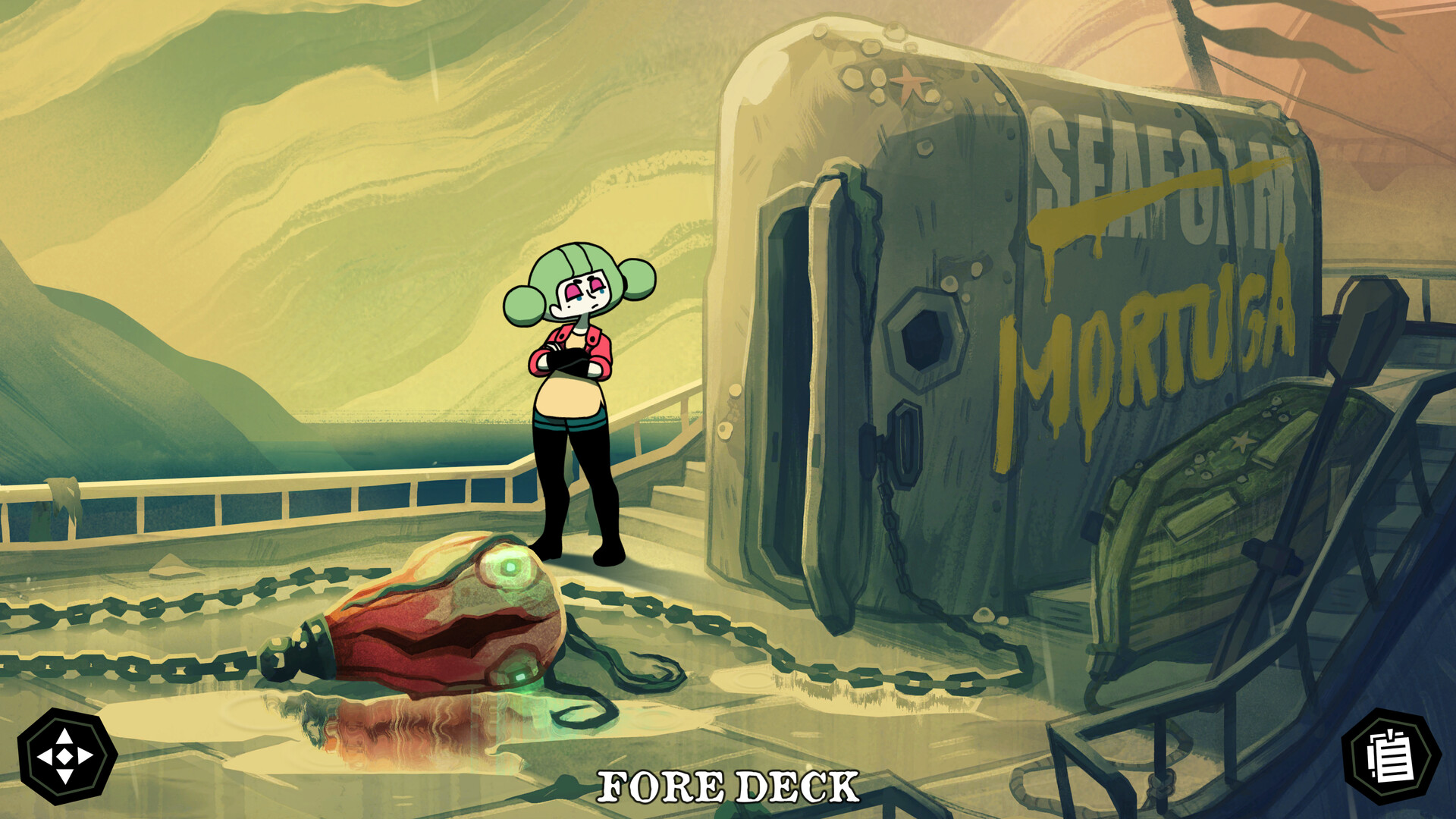
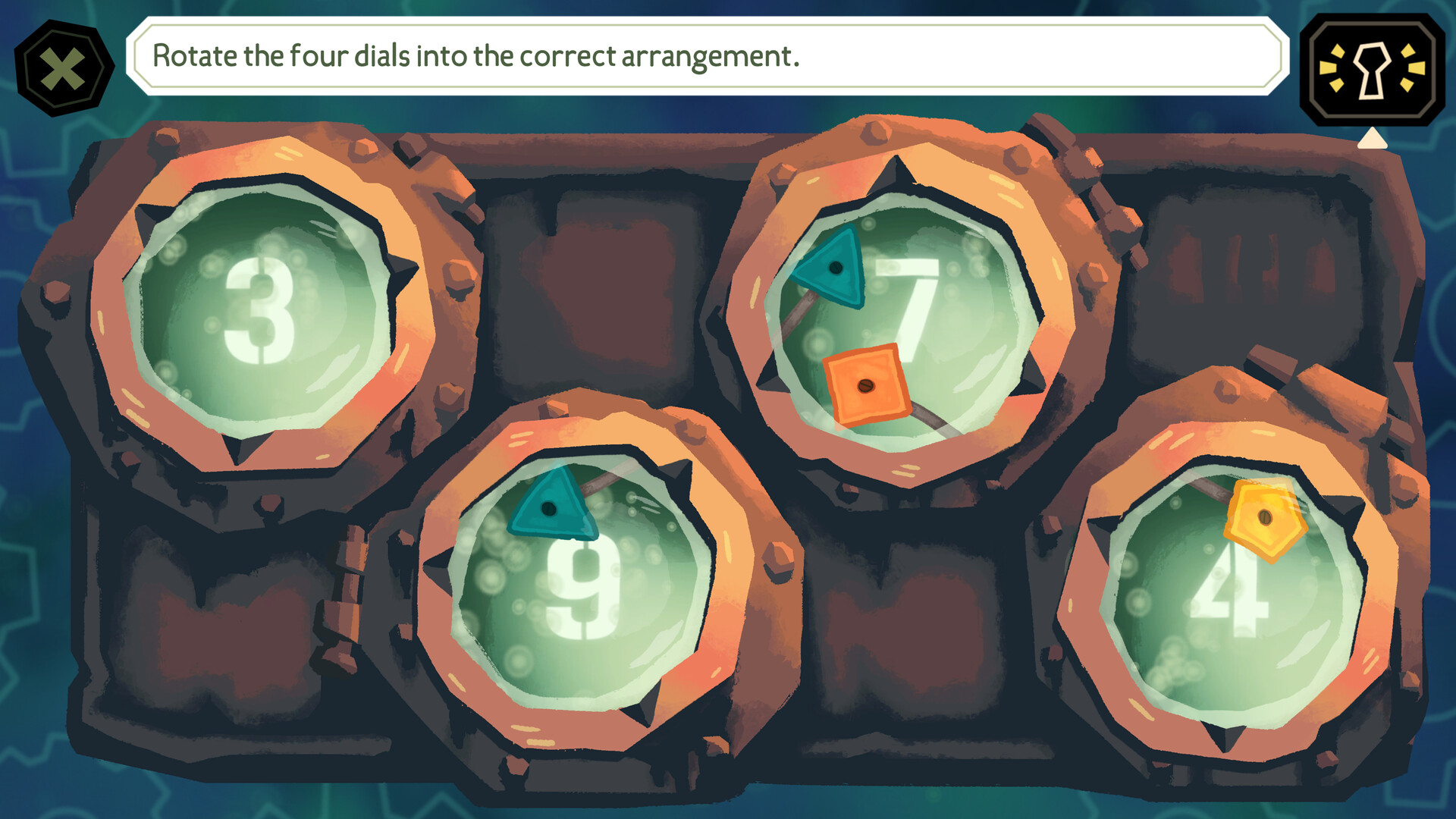
When an object opens into a close view, begin with its outline and large controls before studying small marks. Check which parts are interactive, which positions can change, and which feedback is persistent after you release the input. A sound, animation, new label, or locked position may confirm one correct sub-step even if the puzzle is not finished. Preserve that state and change one variable at a time. Randomly cycling every control destroys the relationship between your action and the game’s response.
Next compare the object with evidence already collected. A pattern may correspond to wording, order, orientation, count, or identity rather than to colour alone. Do not assume the prettiest decoration is a code. If no existing evidence gives the object meaning, the current task may be to gather context rather than solve it. Leave the close view, speak to the directly connected character, and return after a new topic or clue appears. Steam’s Save Anytime feature makes a checkpoint useful before a multi-stage inspection, especially if you want to test optional interactions without losing a known configuration.
Desk 02-D
Turn testimony into a testable deduction
Conversation puzzles are solved by precision, not by distrusting everyone equally. Write down the exact scope of a statement: who is speaking, what event it describes, when it applies, and whether the speaker claims direct knowledge. Two lines conflict only if those scopes overlap. A person can be mistaken without lying, and two different names for a place or object may refer to the same thing. Before selecting an answer, restate the contradiction in plain language and identify the physical clue that makes one reading impossible.
For a deduction interface, build the smallest complete chain. Start with the confirmed event, attach the evidence that changes its interpretation, and add a suspect or motive only if the interface explicitly requires it. If the game rejects the chain, do not replace every element. Keep the strongest fact, remove the least supported link, and inspect the objective for the missing category. This method turns failure into information and protects the story: you reveal only what the present deduction needs, not a speculative culprit theory imported from later dialogue.
Desk 02-E
Reset the search without resetting the case
If all three clue depths leave you blocked, return to the walkthrough’s evidence loop. Verify that the objective is current, revisit the newest interactable scene, finish the directly related conversation, and check whether the game has added a prompt. Save before repeating a deduction so you can distinguish a logic error from a missing prerequisite. Avoid broad room-by-room clicking until these targeted checks fail; a focused pass is easier to audit and less likely to bury the changed detail among familiar scenery.
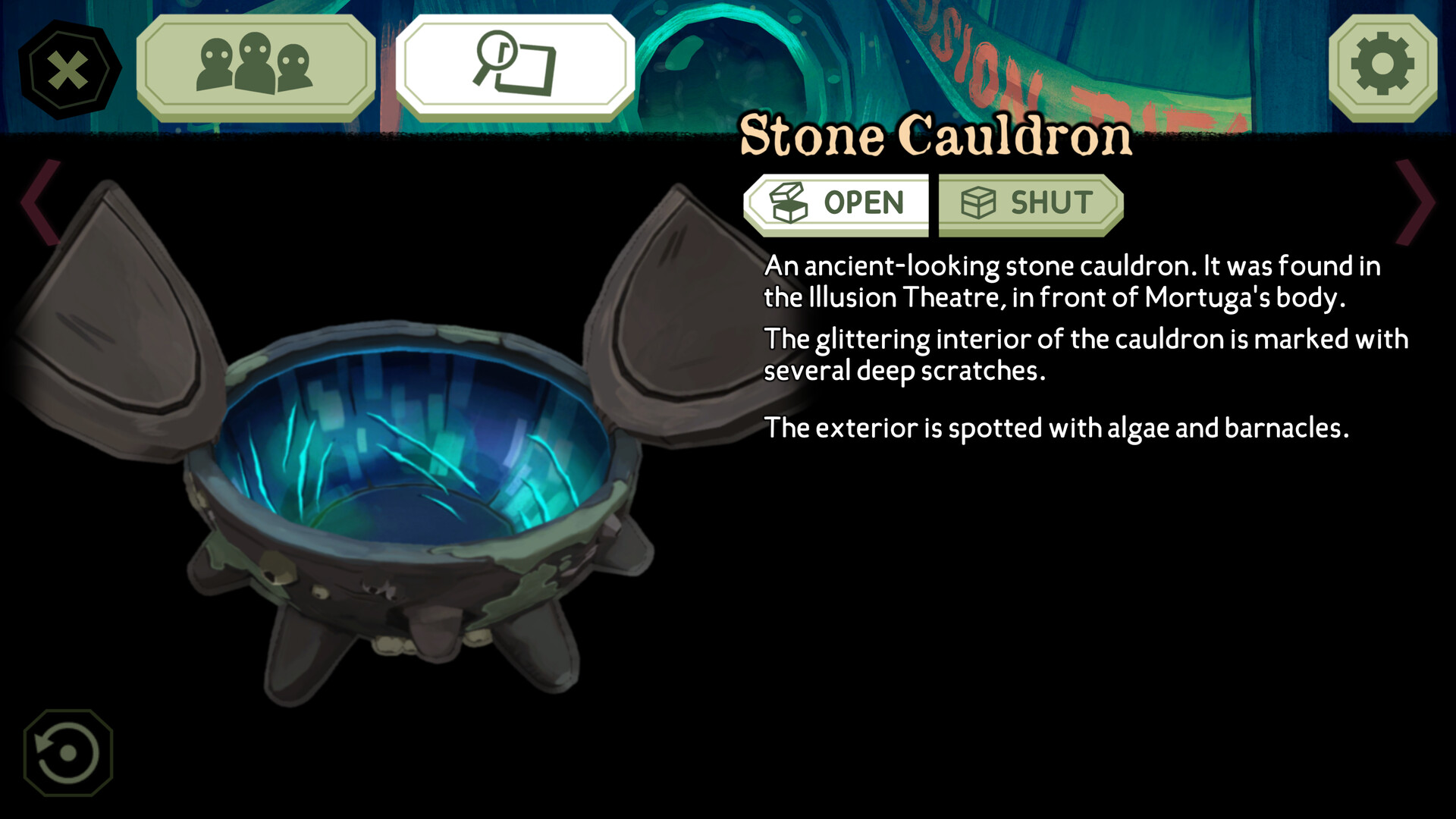
The public guide structure observed during launch research includes the labels “The Curse in the Cauldron” and “The Box that Would Not Open,” but those labels alone do not prove a puzzle solution. They stay as context rather than becoming fabricated answer sections. Use the first-party Steam page for the verified premise and features, the ordered walkthrough for case sequence, and this desk for the reasoning protocol around a specific obstacle. As verified procedural evidence becomes available, exact actions can be added inside the existing final layer without changing the page’s spoiler boundaries.
Are The Mermaid Mask puzzles timed?
Steam marks the game playable without timed input. That means you can stop, inspect the scene, compare evidence, and work through a close-up deliberately instead of treating speed as the intended solution. A puzzle may still animate or react to an input, but the official accessibility feature supports a careful reasoning-first approach.
Why separate puzzle help from the walkthrough?
The walkthrough answers where the investigation should go next; the puzzle desk answers how to reason through the current mechanism. Keeping them separate lets you solve one object or deduction without exposing later rooms, suspect developments, or the culprit, while still providing a direct link back to sequence when the real issue is a missed prerequisite.
Official source
Verified snapshot: